Agent Daily News
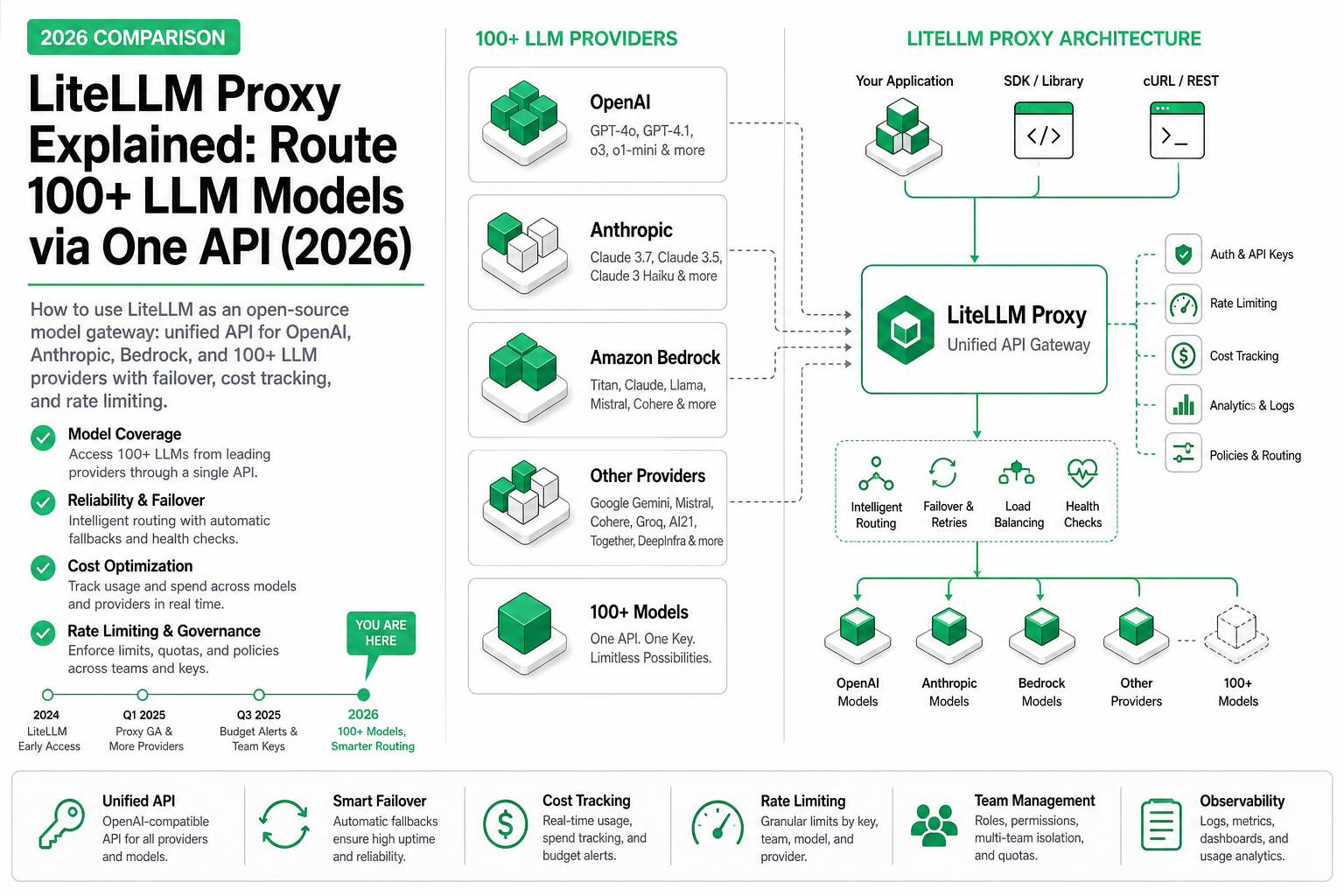
LiteLLM Explained: Open-Source LLM Proxy Gateway
LiteLLM is an open-source LLM proxy that unifies 100+ providers behind one API. Setup guide, failover, cost tracking, and when LiteLLM beats managed alternatives.
ReadInsights on AI agents, model routing, and building production-ready AI systems.
LiteLLM is an open-source LLM proxy that unifies 100+ providers behind one API. Setup guide, failover, cost tracking, and when LiteLLM beats managed alternatives.
Read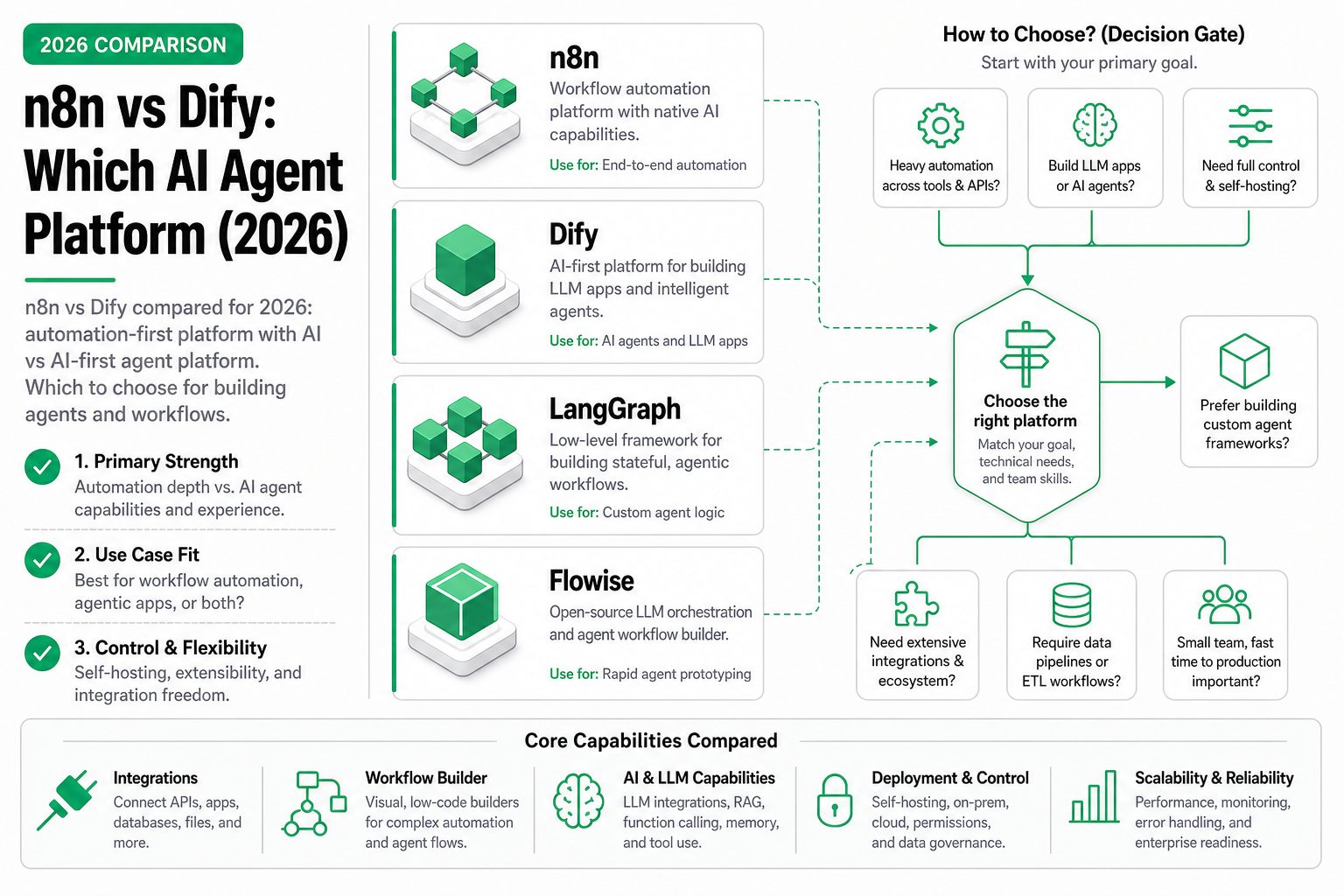
Pick n8n when your agent must touch many apps (2,000+ integrations); pick Dify for AI-native apps with RAG. Cloud pricing, licenses and limits compared.
Read
As of 23 Nov 2026, Asia/Shanghai, GLM-5.4 is not officially released and is not on SandBase. Call GLM-5.3, GLM-5.3-Flash, or GLM-5.3-FlashX today.
Read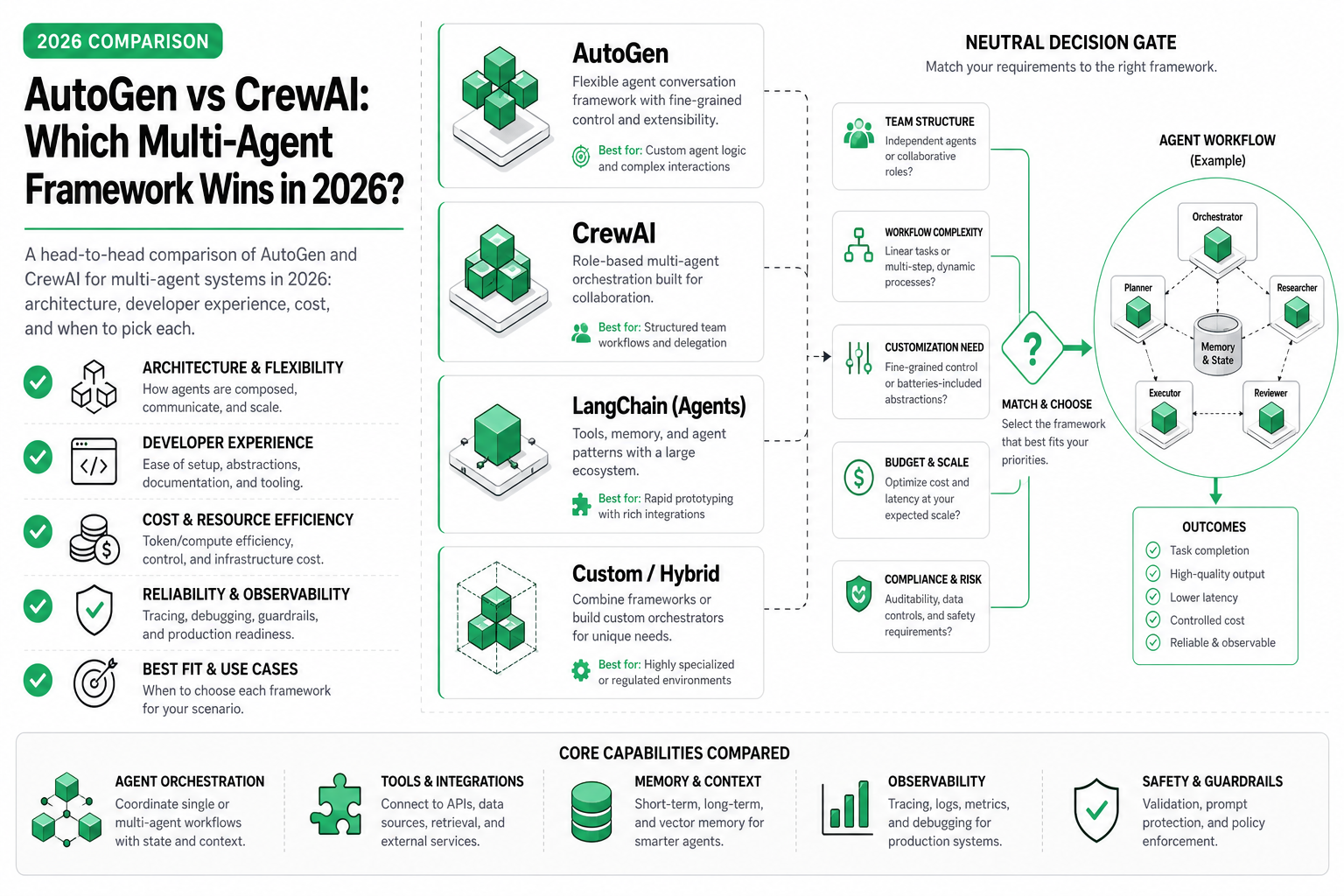
AutoGen vs CrewAI compared on architecture, developer experience, and cost for multi-agent tasks. AutoGen wins on flexibility; CrewAI wins on speed-to-ship. Full architecture and cost comparison inside.
Read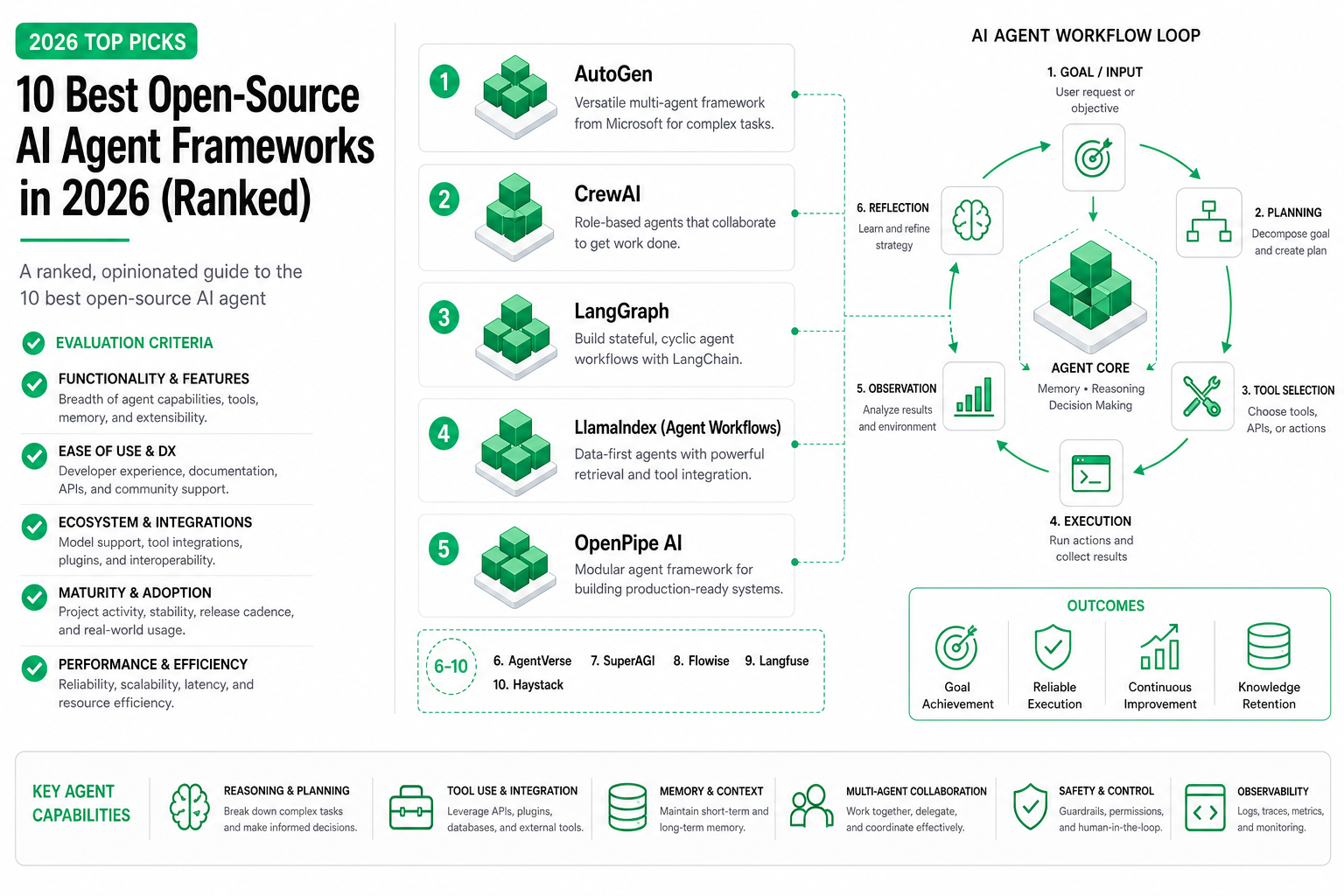
10 best open-source AI agent frameworks ranked for 2026. LangGraph, CrewAI, AutoGen, Mastra, and more — with pros, cons, and our pick for each use case.
Read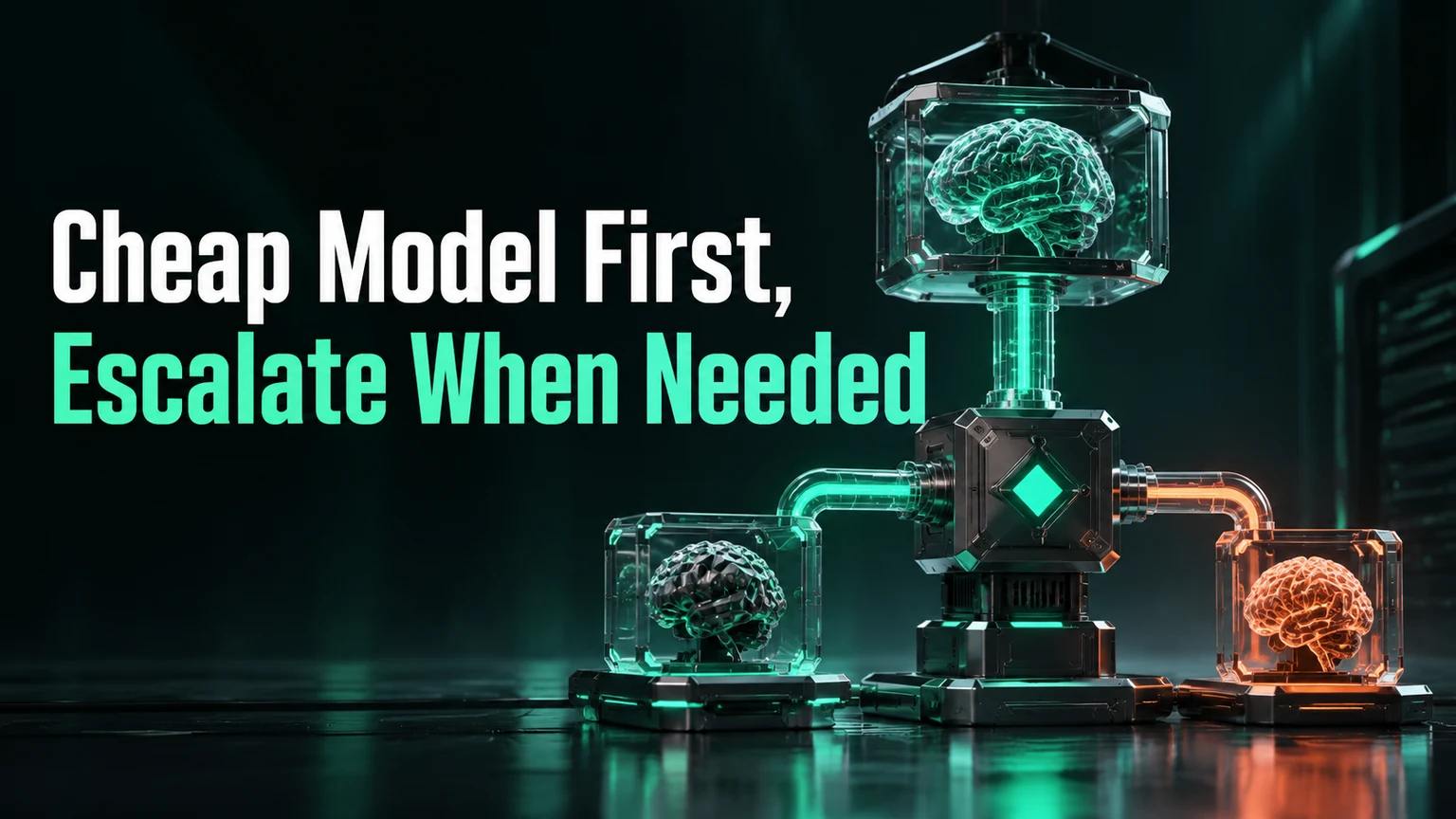
Send easy messages to a cheap model and escalate hard ones to a stronger model with one API key. Working Python code and a 10-message cost and latency run.
Read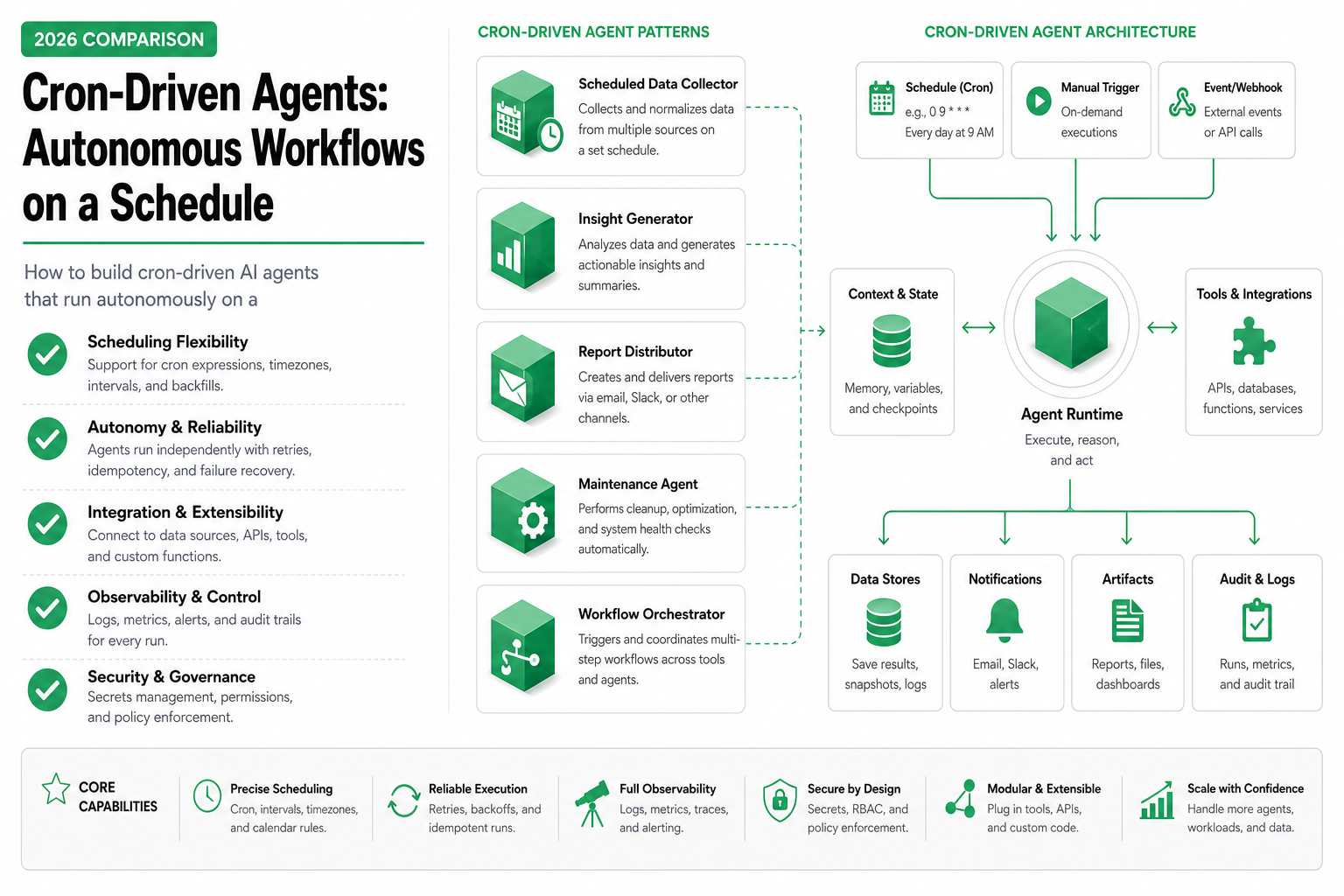
How to build cron-driven AI agents that run autonomously on a schedule. Full Python code, cost analysis, retry logic, and production monitoring patterns.
Read
Cursor vs Windsurf vs Claude Code compared in 2026. IDE integration, agent autonomy, model flexibility, multi-file editing, MCP support, and pricing — with a verdict per use case.
Read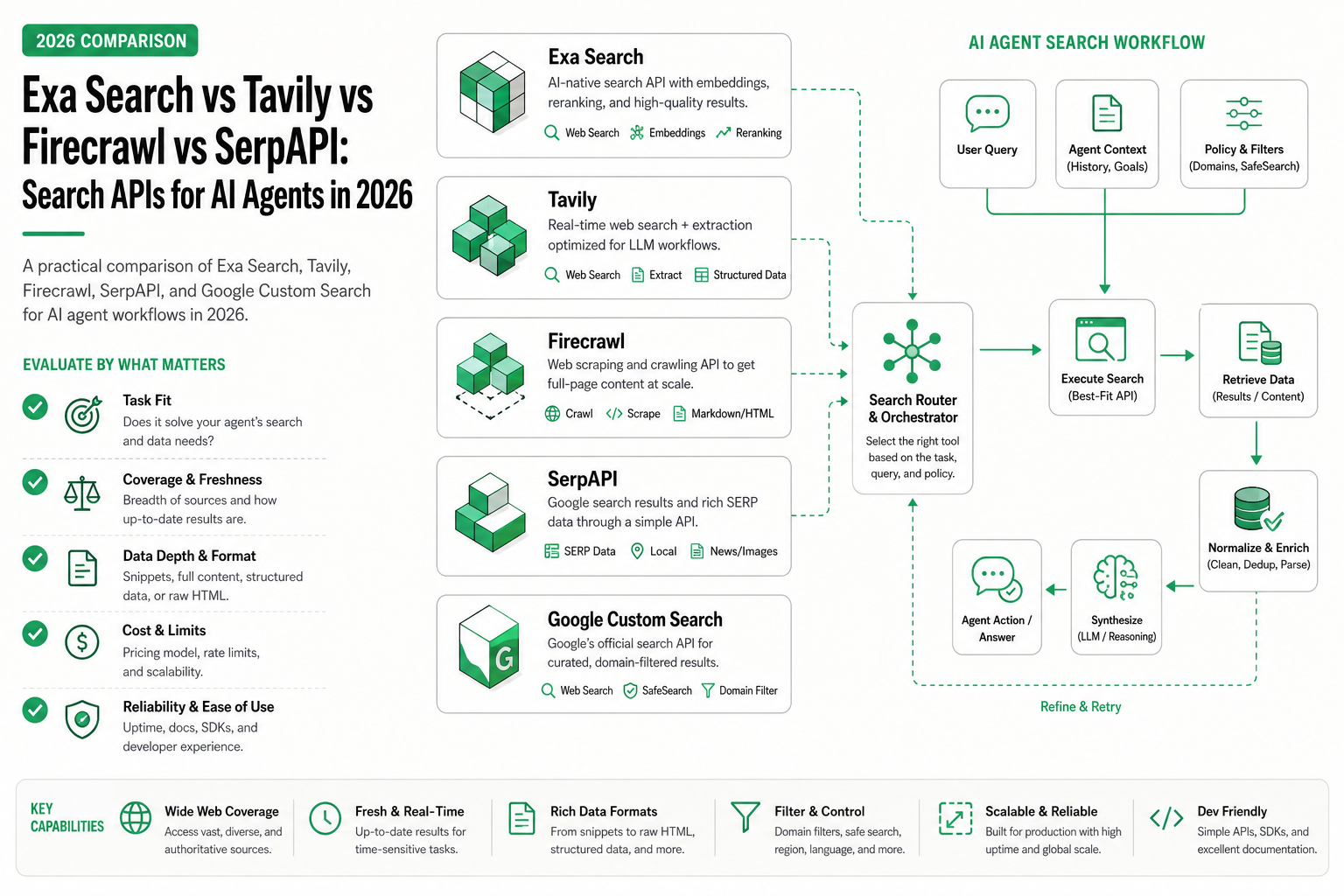
Exa for semantic discovery with page content, Tavily for agent research answers, Firecrawl for scraping sites to Markdown, SerpAPI for raw Google results.
Read
Exa finds pages by meaning, Tavily packs search and extract for agents, and Firecrawl scrapes known sites. Pick one, or chain them, on one SandBase key.
Read
A practical guide for engineering teams to evaluate AI model spend — not just which model is best, but how to measure value on your workload.
Read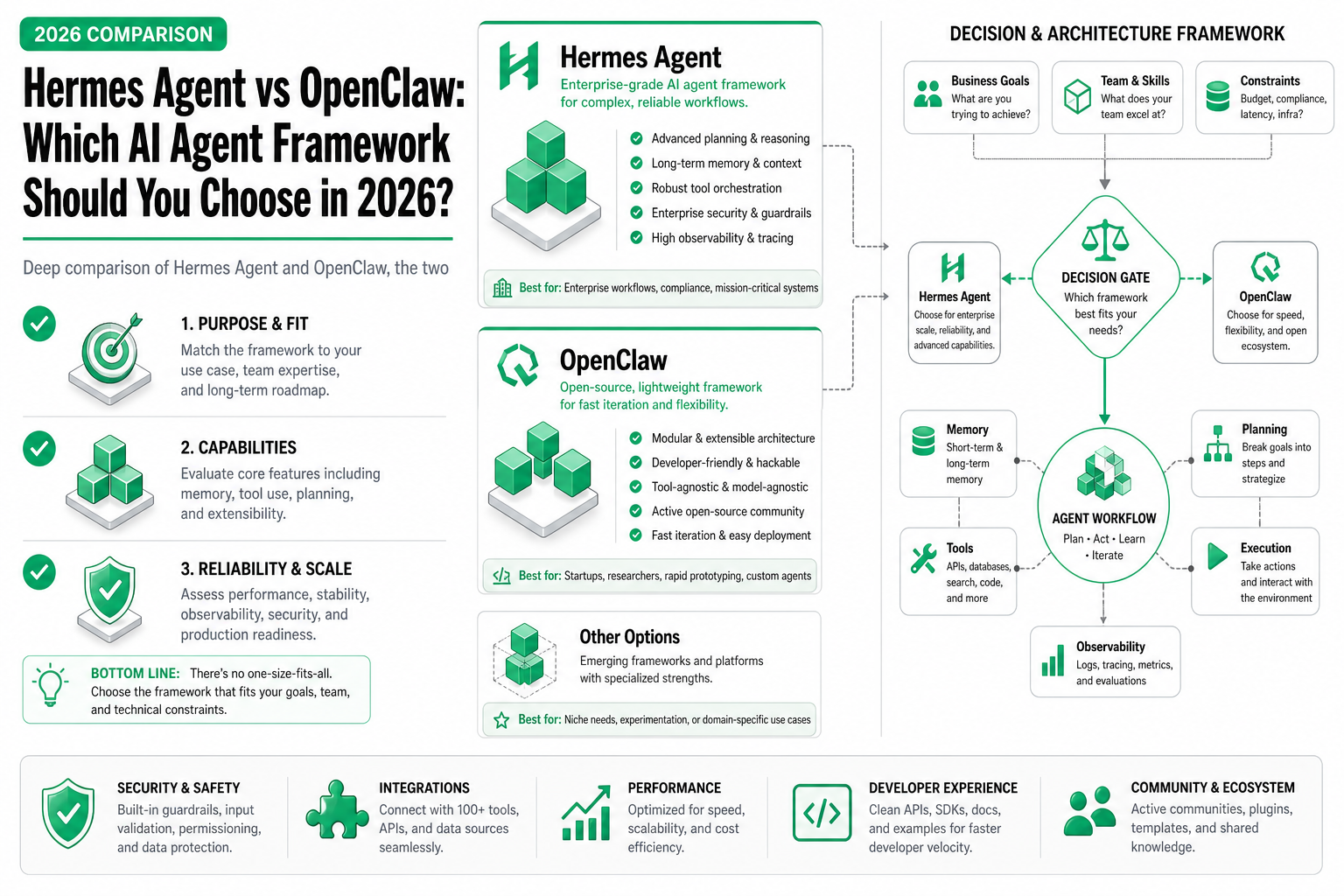
Deep comparison of Hermes Agent and OpenClaw for 2026. Architecture differences, self-improvement loops, deployment options, and when to choose each.
Read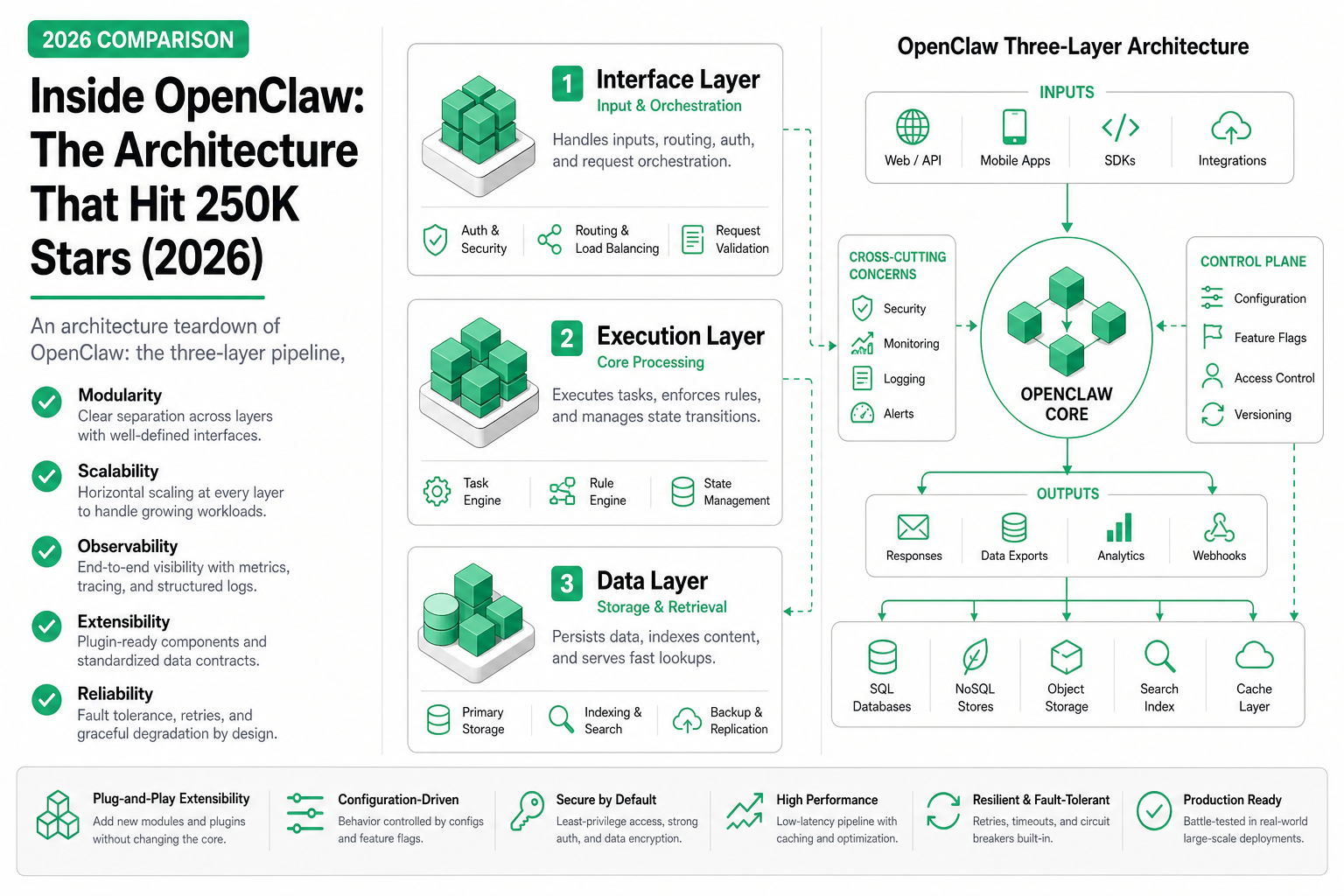
Architecture teardown of OpenClaw: three-layer pipeline, code execution sandbox, memory system, and how it achieves top SWE-bench scores with diagrams.
Read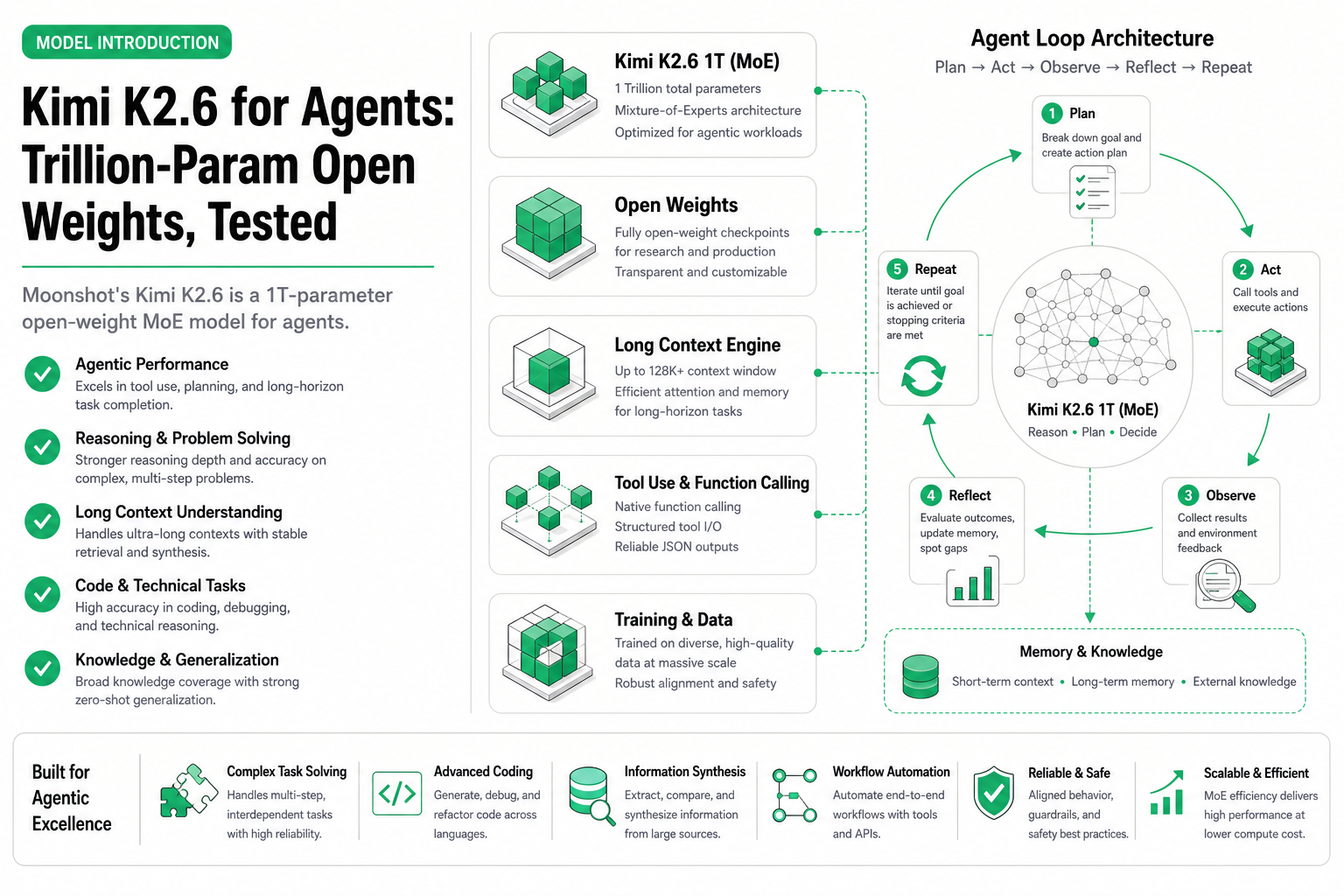
Moonshot's Kimi K2.6 is a 1T-parameter open-weight MoE model for agents. What it's good at, where the params help, and how to wire it into a loop.
Read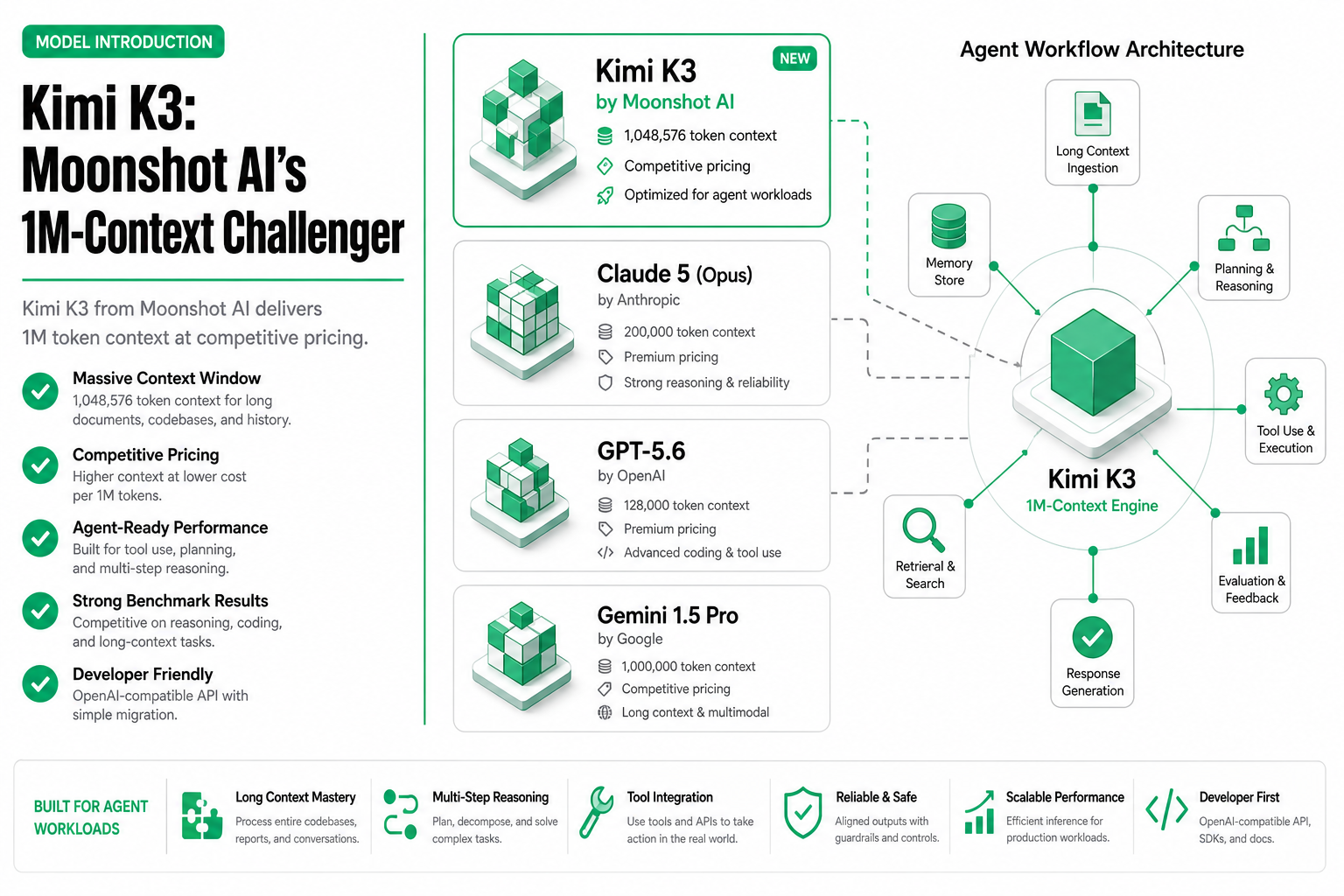
Kimi K3 from Moonshot AI delivers 1M token context at competitive pricing. How it stacks up against Claude 5 and GPT-5.6 for agent workloads.
Read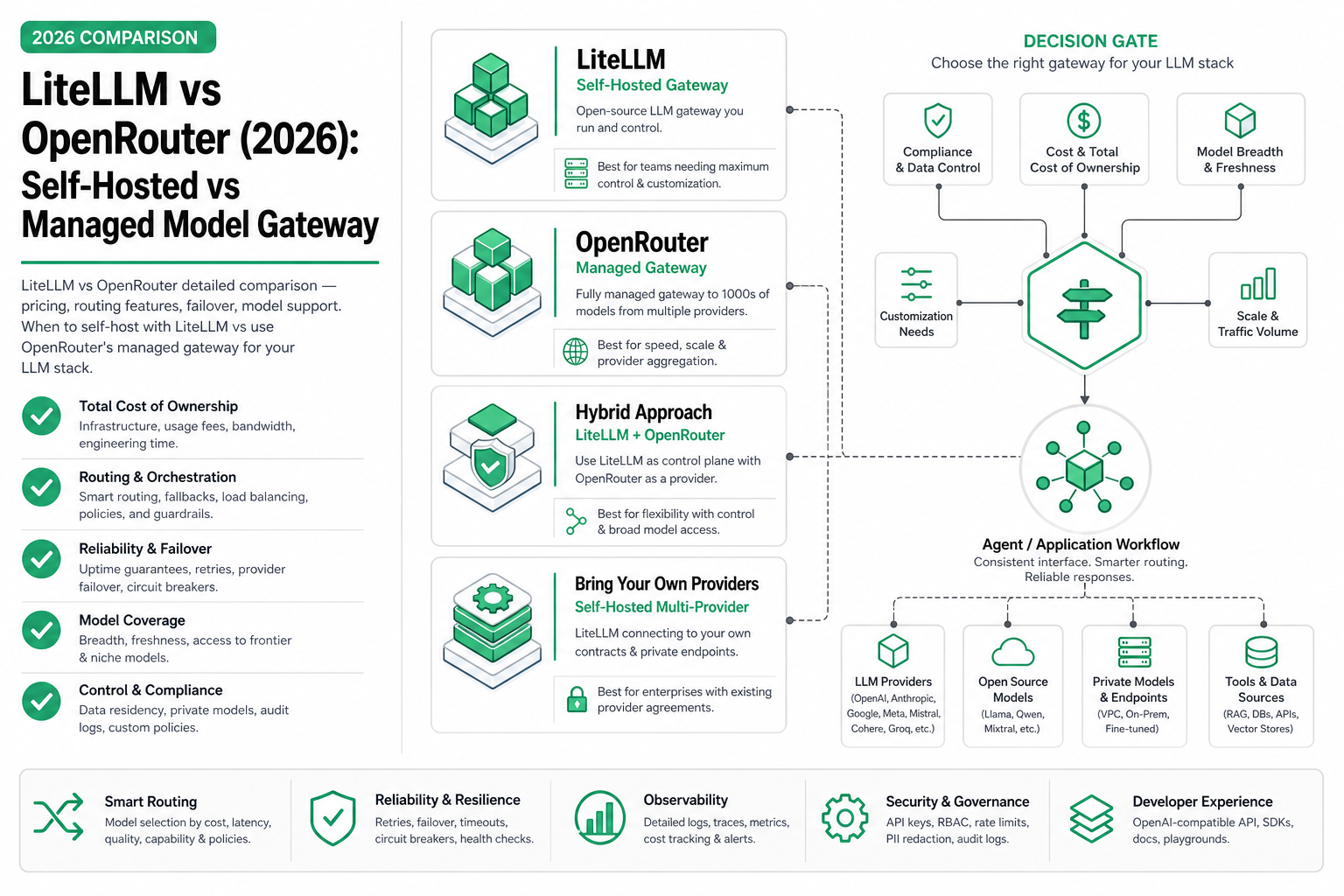
LiteLLM vs OpenRouter: self-hosted proxy vs managed gateway. Compared on cost, budgets, failover, model coverage and data path, with figures from both vendors' docs.
Read
Lovable generates full-stack React + Supabase apps from prompts. Pricing, credit system, real limits, and how it compares to Bolt, Cursor, and v0 in 2026.
Read
A step-by-step guide to migrating your MCP server from the session-based model to the new stateless 2026-07-28 spec. Includes before/after code, checklists, and FAQ.
Read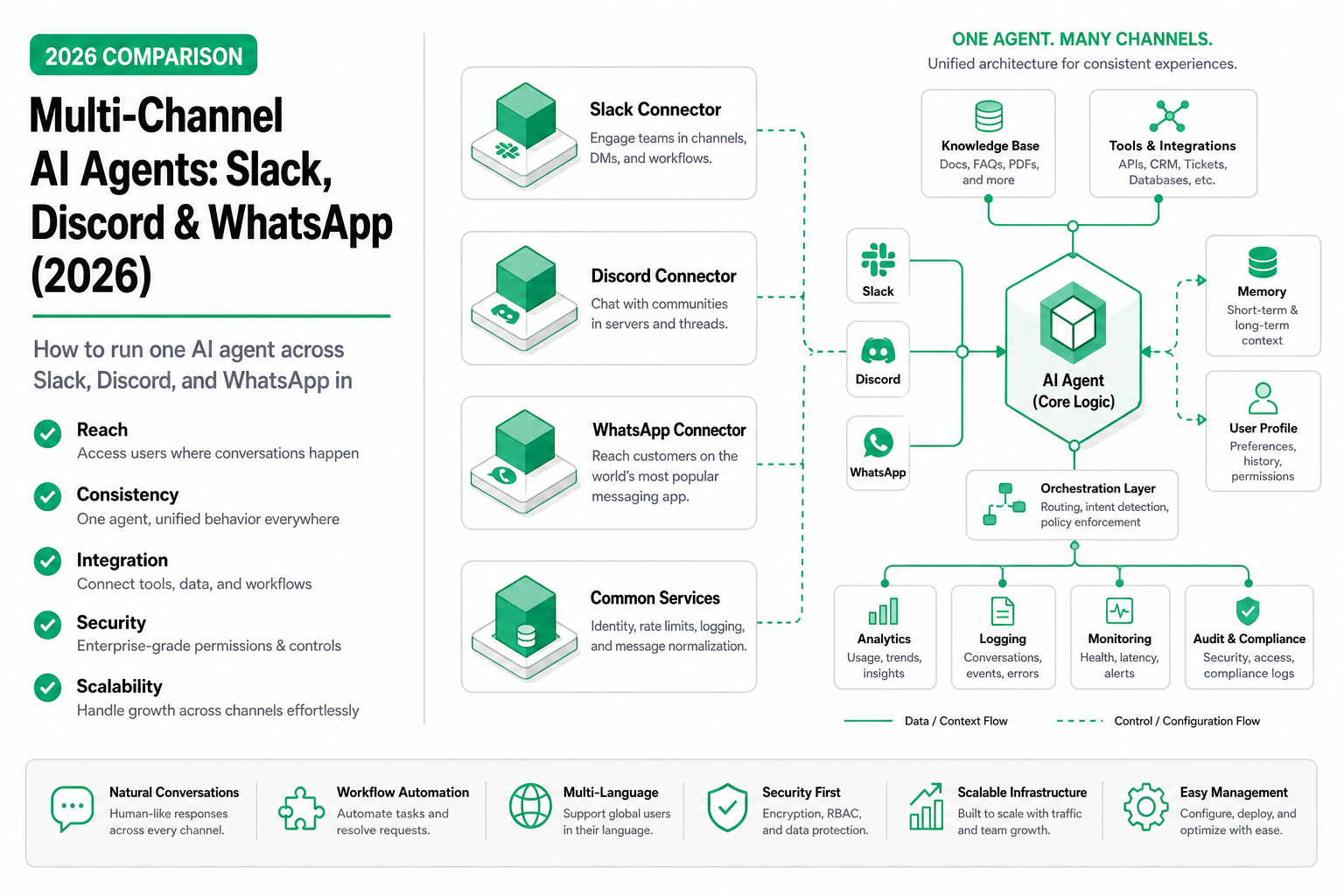
How to run one AI agent across Slack, Discord, and WhatsApp. Unified message handling, platform adapters, auth patterns, and deployment architecture.
Read
OpenRouter alternatives compared on fees, self-hosting, routing and multimodal APIs: SandBase, LiteLLM, Portkey, Cloudflare, Vercel AI Gateway, DigitalOcean.
Read
Best Tavily alternatives in 2027: official Tavily credits versus SandBase Search, Map and Extract at Tavily's pay-as-you-go rate, with Exa on the same key.
Read