GLM-5.3-Flash Coding Benchmarks Explained
Read GLM-5.3-Flash’s vendor-reported coding scores with their settings, then design a repository trial that tracks test passes, tool failures and repairs.
Key takeaway: Z.ai reports 63.4 for GLM-5.3-Flash versus 46.2 for GLM-5.2 on DeepSWE v1.1. Use the result to choose trial tasks and verify performance in your repository.
Read the reported scores
The Z.ai launch report gives 63.4 versus 46.2 on DeepSWE v1.1 and 48.8 versus 26.2 on AutomationBench. Keep the evaluation name, version and vendor attribution with the figures. They measure performance in those configurations.
The model card documents low, high and max reasoning effort. It recommends max, the default, for benchmark reproduction. Record your setting for every run. API parameters are available on the SandBase model page.
Use tasks from your own repository
Select a localized bug fix, a cross-file change and a visual task if your workload includes one. Hold the starting commit, instructions, available tools, time budget and test command constant. Inspect the patch for scope and behavior before accepting it.
Record why tasks failed
Track test passes, tool failures, edits outside scope and retries. Distinguish a wrong patch from a missing tool or time limit. A small trial can identify these patterns, and its conclusions apply to the sampled tasks. Report acceptance and spend together when making a routing decision.
Reference screenshots
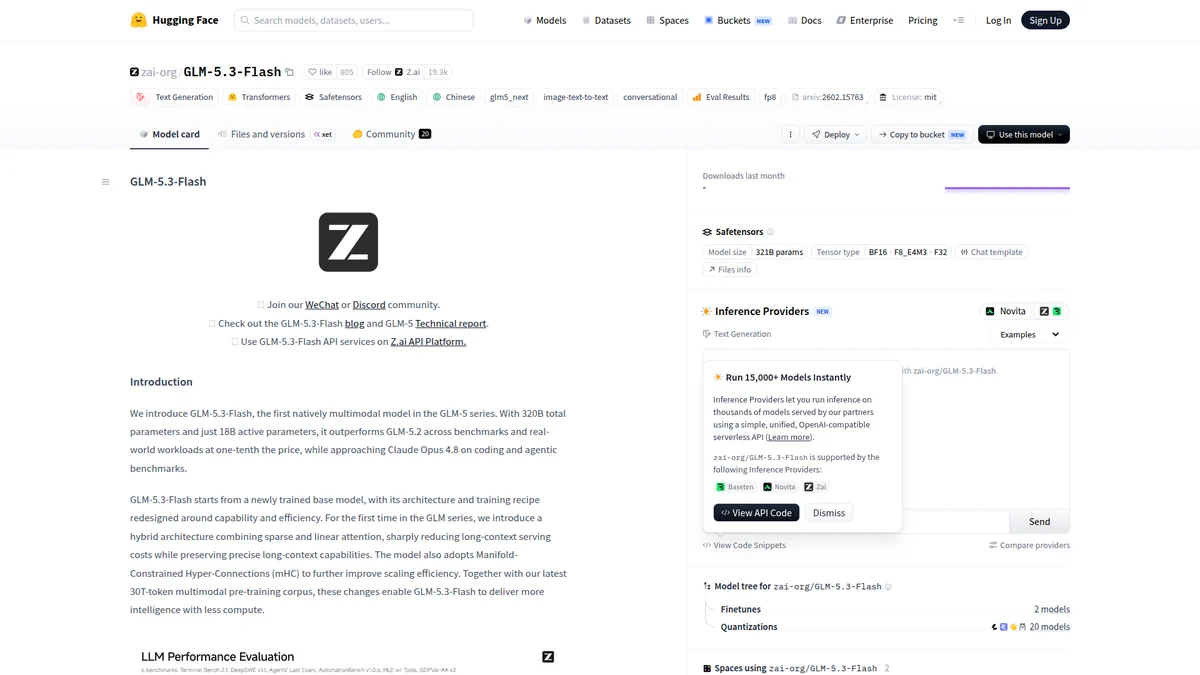
Archived model card.
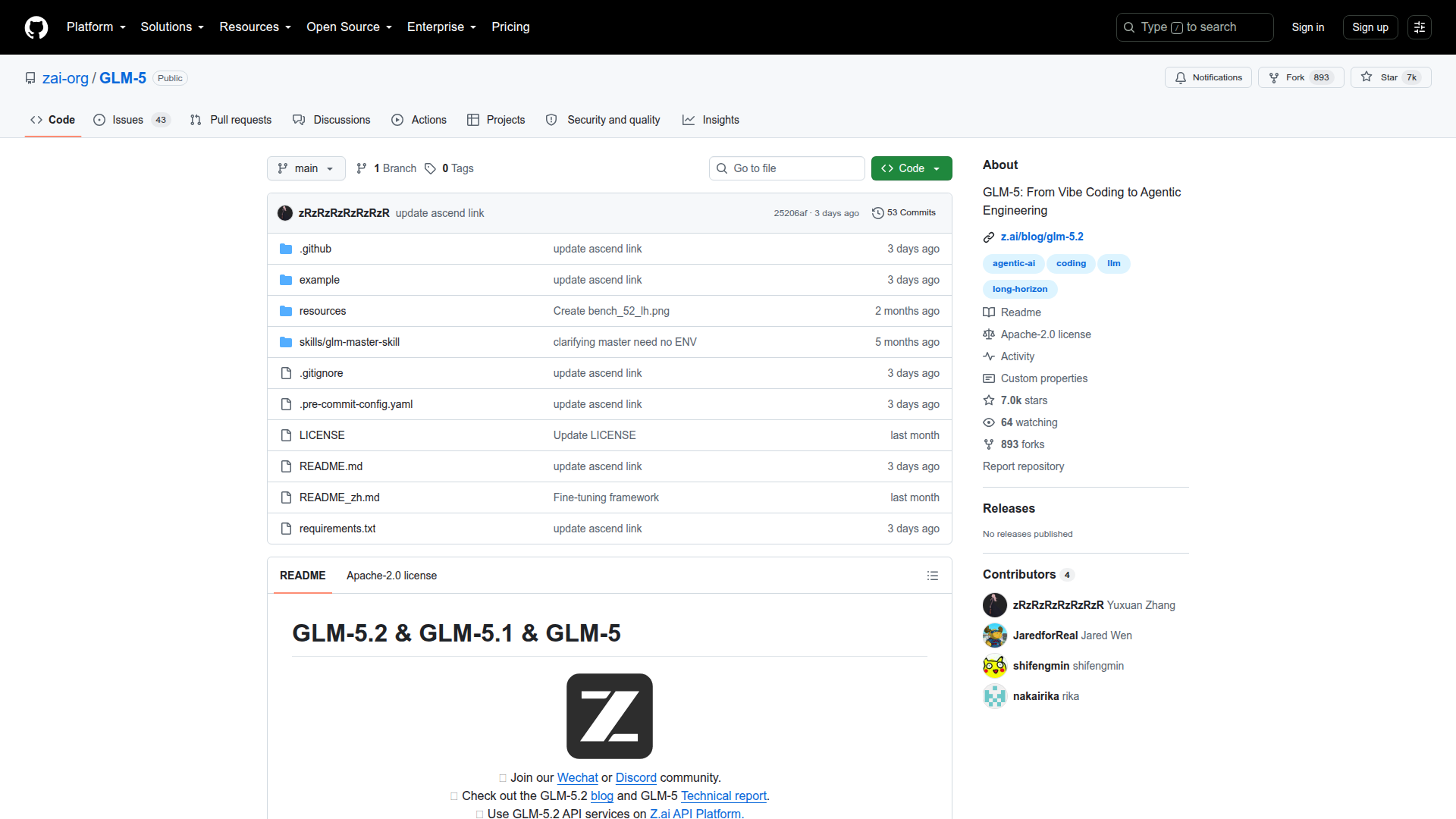
Archived repository view.
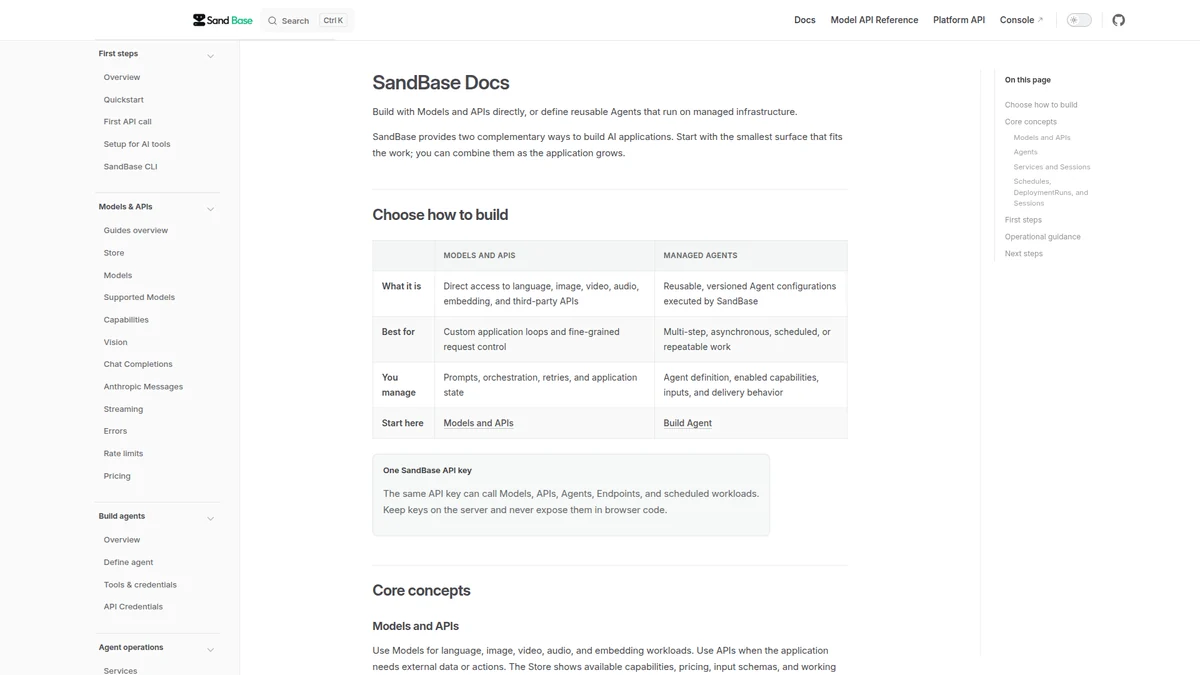
SandBase API overview.
See the multimodal model guide for background on visual inputs.
Found this useful? Share it